Understanding Roof Damage Austin Homeowners Face and How to Address It
Austin's weather keeps you on your toes. One week it's blazing sun, the next it's a hailstorm that sounds like a freight train on your roof. Over my years working with residential and commercial properties around Central Texas, I've seen the same patterns of roof damage Austin homeowners deal with season after season. The mix of intense heat, sudden wind, and hail creates a unique set of problems that don't show up in milder climates.
The first thing to understand is that most roof damage doesn't happen all at once. It creeps up. A shingle cracks during a hailstorm, but you don't notice because it's on the back slope. Then a gust of wind lifts that cracked edge and pulls a few more loose. Rain finds its way under those lifted shingles, and before you know it, you've got a roof leak that's been working on your ceiling drywall for weeks. By the time you see the stain, the real damage is already done.
What Causes Roof Damage in Austin?
Texas weather is the main culprit. Hail damage is probably the most visible. Hailstones here can range from pea-sized to golf ball-sized or bigger. When they hit asphalt shingles or even metal roofing, they leave divots, cracks, and granule loss. Over time, those small impacts add up. A roof that looks fine from the ground might have dozens of compromised spots that will fail in the next heavy rain.
Wind damage is another big one. Austin gets straight-line winds that can hit 60 or 70 miles per hour during thunderstorms. Those winds get under the edges of shingles and peel them back. If the underlayment is old or not installed well, wind can actually lift sections of the roof deck. I've seen flat roofs lose their entire membrane because wind got under a loose edge and just kept peeling.
Then there's the sun. UV radiation breaks down roofing materials over time. Asphalt shingles get brittle. The granules that protect them from the sun start to wear away. Metal roofing can expand and contract enough to loosen fasteners. A roof that's fifteen years old in Austin has taken a beating that a roof in a milder climate might not see for thirty years.

Why a Roof Inspection Matters More Than You Think
Most homeowners only think about their roof when something goes wrong. A bucket in the living room tends to get your attention. But waiting for a leak means you're already behind. A regular roof inspection can catch small issues before they turn into expensive repairs. A good roofing contractor will look for cracked or missing shingles, signs of granule loss, rust spots on metal flashing, and soft spots on flat roofs where water might be pooling.
I've done inspections where the homeowner tells me they just had their roof replaced five years ago. Then I find a section where the flashing wasn't sealed properly, or where a tree branch has been rubbing the shingles thin. Those are the kinds of things a professional inspection catches. And in Austin, with our freeze-thaw cycles and heavy rain events, those small gaps turn into big leaks fast.
If you're considering a roof inspection, look for a contractor who offers a free evaluation. Many reputable companies in Austin do this. They'll come out, walk your roof, and give you an honest assessment of what's going on. A roofing estimate from that inspection should break down what needs to be done right now and what can wait. That kind of honest pricing helps you plan your budget instead of getting hit with an emergency repair bill.
Common Repairs After Storm Damage
After a big storm, the phone starts ringing. The most common calls are about shingle replacement. Hail and wind can knock shingles loose or break them entirely. If you have asphalt shingles, the repair is usually straightforward: remove the damaged ones, check the underlayment, and nail in new ones. But if the damage is widespread, you might be looking at a full section of the roof needing new shingles, not just a few patches.
Leak repair is another frequent job. A roof leak is rarely just one hole. Water travels. It can run down a roof deck, hit a seam, and then drip somewhere totally different from where it entered. That's why fixing a leak without looking at the whole roof often doesn't work. You patch one spot and the water finds another way in. A proper repair involves finding the source of the water entry and addressing the underlying issue, whether that's damaged flashing, a cracked vent boot, or a section of deteriorated roofing materials.
For homes with metal roofing, the repairs are different. Wind damage can pop standing seams loose or dent panels. Metal roofing also has a lot of fasteners, and those can back out over time. A loose fastener leaves a hole that lets water in. Replacing a panel or resealing a seam on metal roofing requires specific skills and tools. Not every roofer is comfortable with it, so it pays to find someone who has experience with that material.
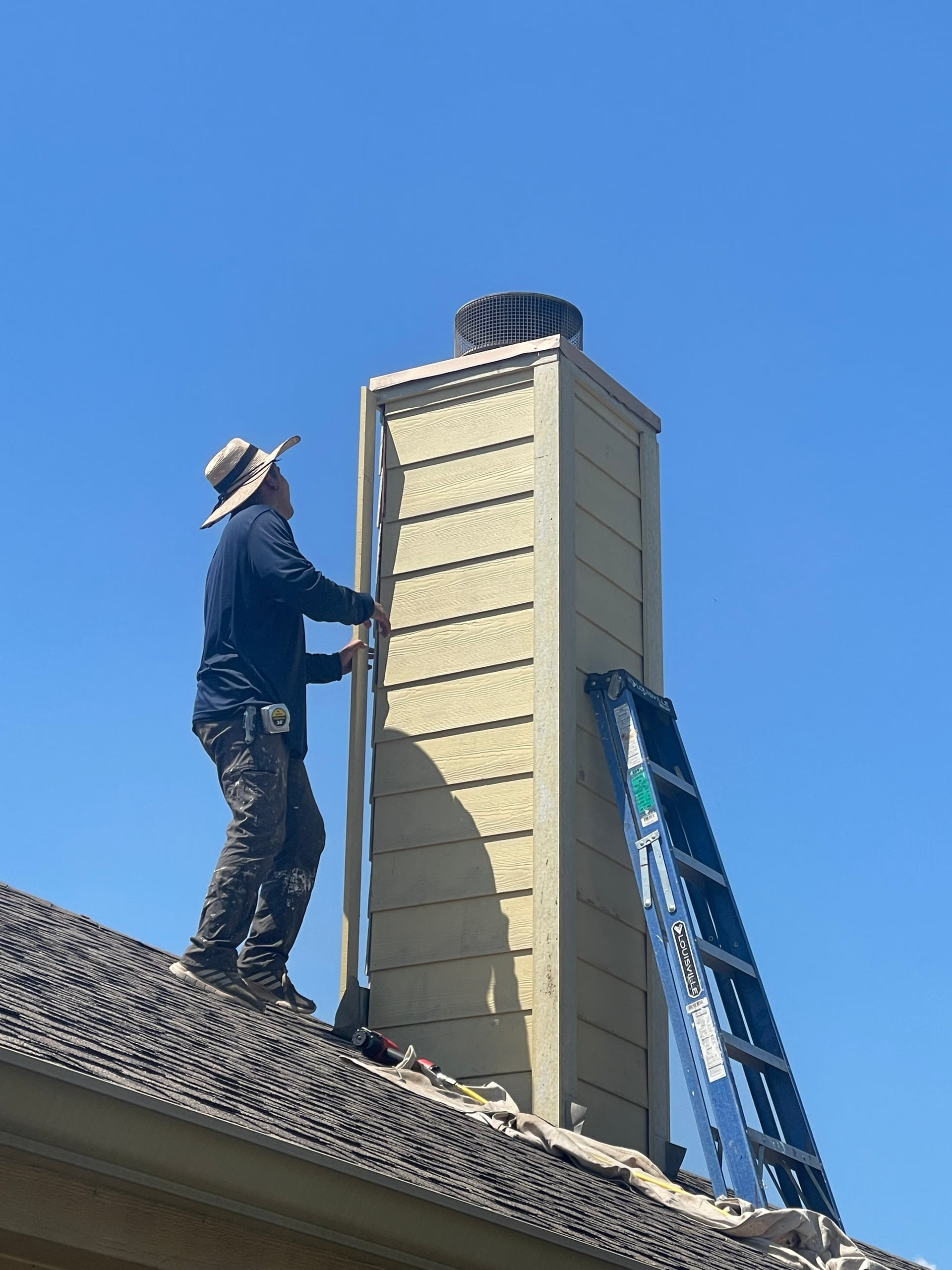
Flat roofs, which are common on commercial buildings and some modern homes, have their own set of issues. Ponding water is a big one. If a flat roof doesn't drain properly, water sits and eventually finds its way through the membrane. That can lead to a roof leak that's hard to locate because the water might travel under the membrane before it drips. Repairs often involve patching the membrane, but if the damage is widespread, a full replacement might be the only option.
Working With Your Insurance Company
If you have storm damage, your first instinct might be to call your insurance company. That's a good move, but there's a right way to do it. Before you file a claim, get a roof inspection. A written report from a roofing contractor gives you documentation of the damage. That helps your insurance adjuster understand what they're looking at and speeds up the process.
An insurance claim for hail damage or wind damage usually covers the cost of repairs minus your deductible. But insurance companies want to see that the damage is from a specific event, not just wear and tear. That's where having a contractor's report comes in handy. They can note the date of the storm, the type of damage, and the estimated cost. Honest pricing from a contractor also helps you avoid overpaying or underquoting the work.
One thing I tell homeowners: don't let an insurance adjuster tell you that a repair isn't necessary if you're not sure. You know your roof better than they do. If a contractor says you need shingle replacement in a certain area, get a second opinion if you want, but don't let cost pressure from an insurance company push you into a bad decision. A cheap fix now can turn into a bigger problem later.
Roof Warranty and Long-Term Considerations
When you get repairs done, ask about the roof warranty. Most roofing materials come with a manufacturer's warranty, but that warranty only applies if the installation meets their specifications. Some contractors offer a workmanship warranty on top of that. A good warranty covers defects in materials and installation for a set number of years. If you're replacing a section of your roof, make sure the new work is covered.
For the long haul, think about the roofing materials you're using. In Austin, asphalt shingles are popular because they're affordable and work well in our climate. But if you're in an area that gets a lot of hail, you might want to look at impact-resistant shingles or even metal roofing. Metal roofing costs more upfront, but it can last longer and handle hail better. On the other hand, metal roofing can dent, and it's noisier in a hailstorm. Every choice has trade-offs, and a good roofing contractor will walk you through them without pushing you toward one option.
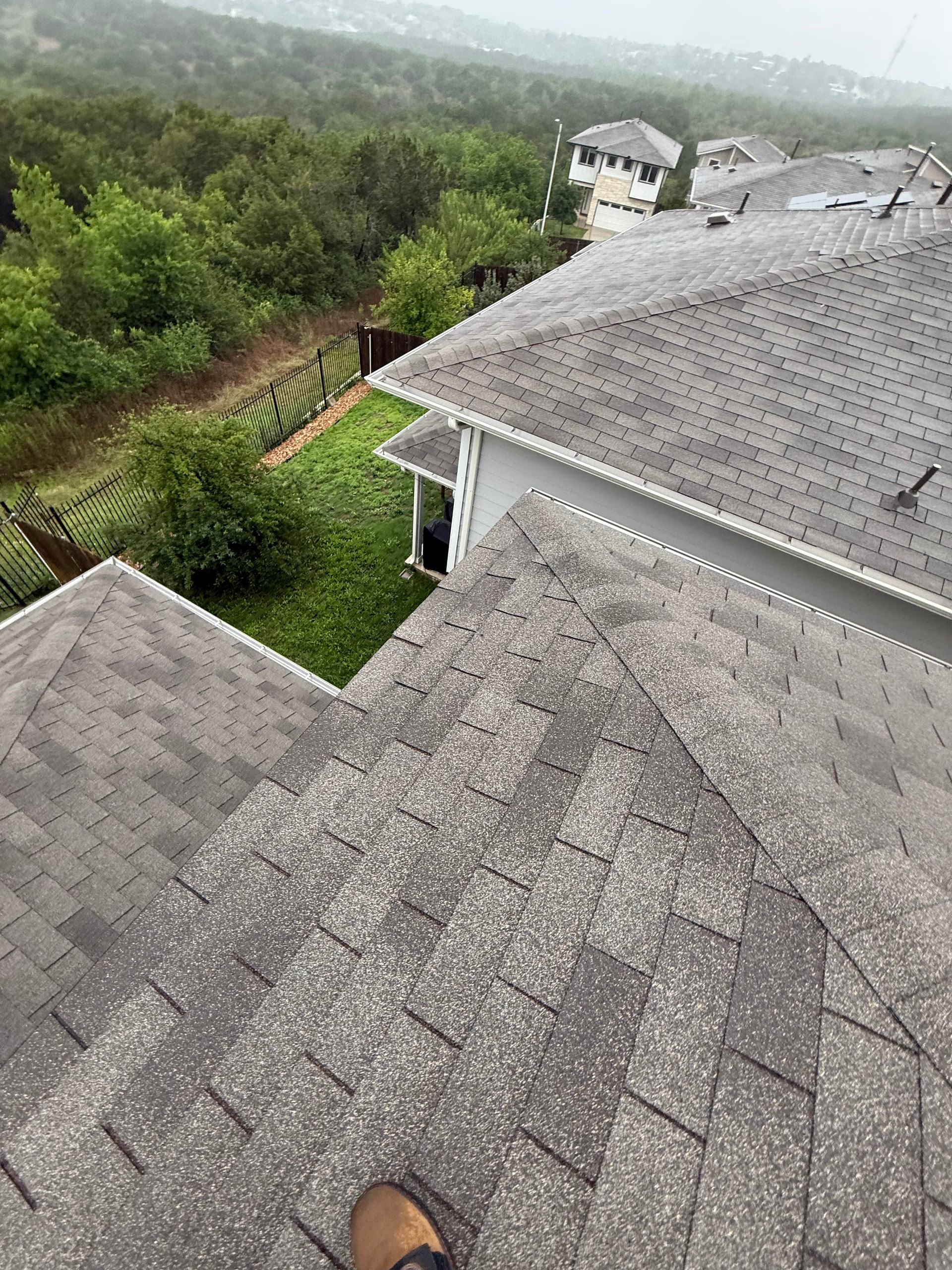
Regular maintenance also extends the life of your roof. After a big storm, walk around your property and look for debris, loose shingles, or gutter problems. If you see something that looks off, call for a roof inspection. The cost of an inspection is small compared to the cost of major repairs or a full replacement. And if you're buying a home in Austin, always get a roof inspection as part of your due diligence. You don't want to inherit someone else's leak.
Putting It All Together
Roof damage Austin homeowners deal with is a direct result of the weather we love to complain about. The sun, the hail, the wind - they all take a toll. But with regular inspections, timely repairs, and a good relationship with a trusted roofing contractor, you can keep your roof in shape for years. Don't wait until you see a stain on the ceiling. Be proactive. Get a free evaluation, understand what your roof needs, and budget for it. That's how you avoid the panic of a sudden roof leak and the scramble to find someone who can fix it on a Saturday night.
The bottom line: your roof is your home's first line of defense. Treat it like it matters, because it does. And if you're ever in doubt, call someone who knows what they're looking at. A few hundred dollars for a roof inspection can save you thousands in damage later. That's not just good advice - it's the reality of living in Austin.